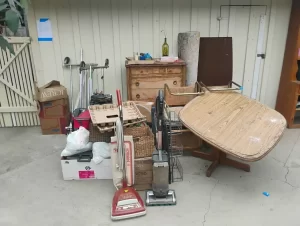
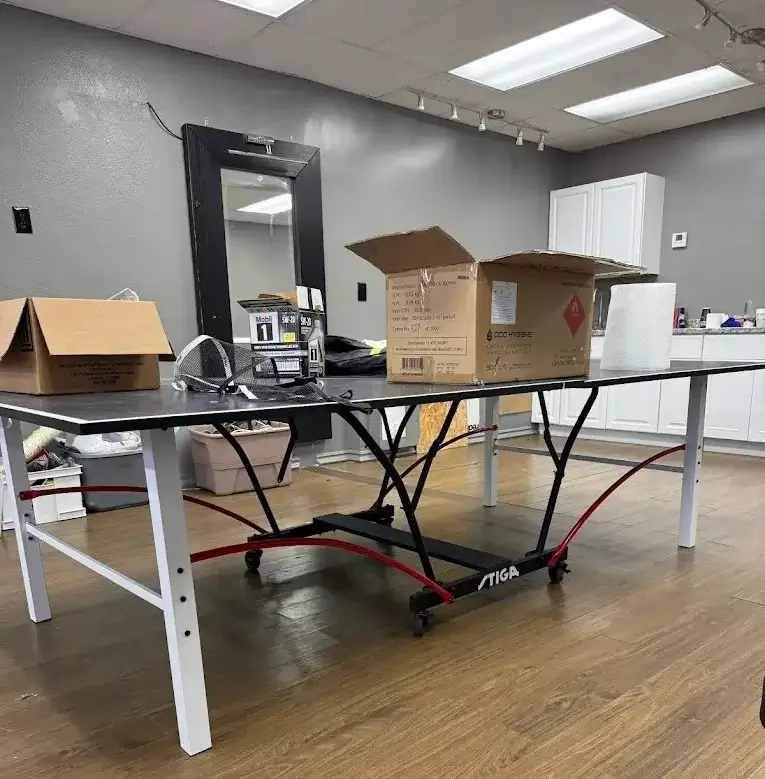
Being a landlord isn’t just about collecting rent. Sometimes it means walking into a unit after a tenant leaves and finding furniture, trash, broken appliances, clothes and what else.
And that’s when the big question hits:
Can I just throw all of this away?
The honest answer? Not always.
A lot of landlords assume that once the tenant is gone especially after an eviction, everything inside the apartment automatically becomes trash. Unfortunately, the law doesn’t always allow that. And throwing away the wrong items too soon can lead to legal trouble you definitely don’t want in.
Let’s break down what you can usually remove right away, what you need to store, and how to protect yourself in 2026.
When Is Property Considered “Abandoned”?
First of all, just because a tenant leaves doesn’t automatically mean their belongings are legally abandoned.
There are few common situations landlords day to day deal with:
- The tenant disappears without notice.
- The lease expires and they don’t return.
- An eviction is completed.
- Keys are returned but items are left behind.
- Utilities are shut off and rent is unpaid.
Even in these situations, most US states specifically California require landlords to follow specific steps before disposing of personal property. The rules depend heavily on where your rental is located.
For example, in California the landlords must provide written notice and store items for a set period before disposal.
What You Can Usually Throw Away Immediately
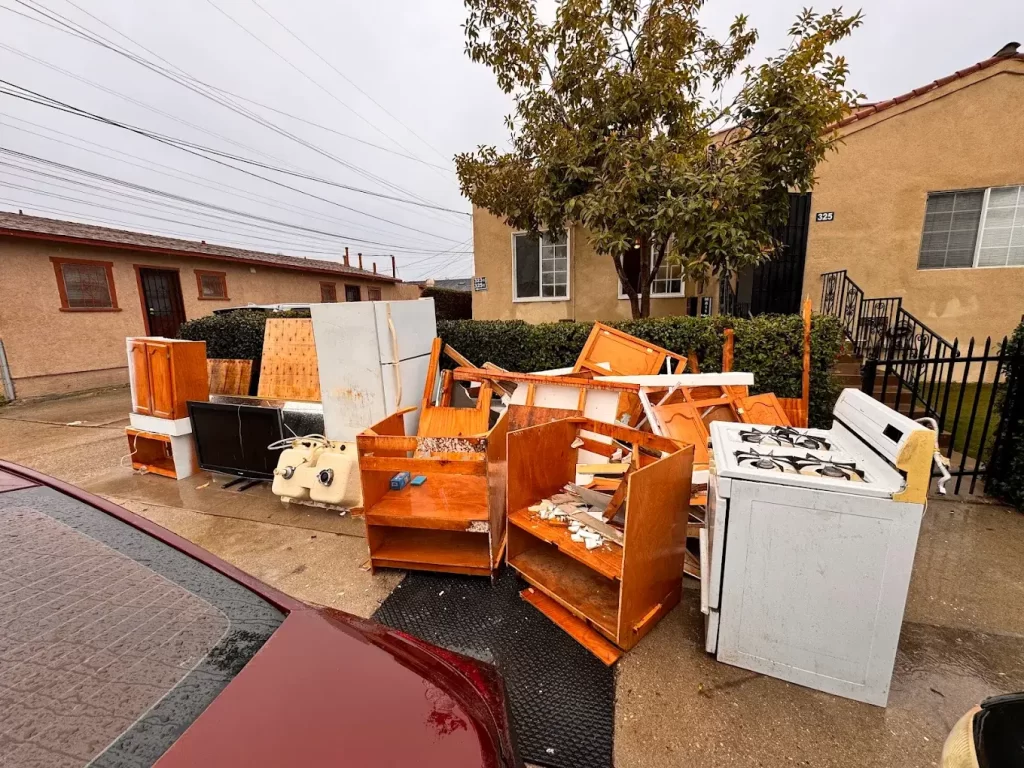
There are certain items that are generally safe to remove right away especially if they pose a health or safety or security risk.
This often includes:
- Leftover unexpired food
- Trash
- Broken items with zero resale value
- Hazardous items like bleach, old batteries, pesticides, detergents
- Mold infested items
- Items contaminated with waste
If something is clearly garbage, leaking, rotting, rusted or unsafe; it is legal to dispose of it immediately to protect the property.
One thing to note is even when removing obvious trash; it’s smart to document everything. Take clear photos and keep them as record. It sounds tedious, but if a former tenant claims you threw away valuables, documentation can save you.
What You Usually Need to Store
Here’s where landlords get into trouble.
Items like these often require notice and temporary storage:
- Furniture
- Electronics
- Clothing
- Personal documents
- Jewelry
- Appliances
- Mattresses
- Personal belongings
Even if the tenant owes you months of rent; you typically can’t just toss these items in a dumpster the same day they leave.
Most states like California require landlords to:
- Provide written notice to the tenant.
- Give them a specific number of days to claim their property.
- Store the items in a safe location during that time.
The required storage period varies. In many areas, it’s anywhere from 7 to 30 days.
If the tenant doesn’t respond within the legal timeframe then you may be allowed to dispose of or sell the items depending on your state’s rules.
What Happens After the Storage Period?
If the tenant doesn’t claim their belongings within the legally required time, the landlords may be allowed to:
- Sell the property
- Dispose of it
- Apply sale proceeds toward unpaid rent
Again worth mentioning, this depends on local regulations. Some states require public notice before selling items. Others require proceeds to be handled in a specific way.
Skipping these steps can open the door to claims of unlawful disposal or conversion of property which is not a situation you want to be in.
Why Cleanouts After Evictions Require Extra Caution
After a sheriff lockout or formal eviction, landlords often feel a sense of urgency. The unit needs to be cleaned, repaired, and rented again as quickly as possible.
That urgency is understandable.
But eviction doesn’t automatically eliminate your responsibility to handle abandoned property correctly. In fact, courts sometimes look even more closely at post-eviction cleanouts.
Rushing the process and throwing everything away the same day can lead to disputes later especially if the former tenant claims valuable items were inside.
Even if the claim isn’t true, defending yourself takes time and money.
After everything is sorted out you can hire a professional junk removal company to clean the property and make it welcoming for new tenant.
Adam cleanouts and junk removals provide free onsite estimate and complete eviction cleanout solution. You can get free estimate here.
Common Mistakes Landlords Make
Over the years, we’ve noticed few patterns show up again and again:
Throwing everything away immediately without notice.
Failing to document the condition of the unit.
Not understanding updated state laws.
Keeping items without proper legal process.
Assuming unpaid rent automatically gives ownership of belongings.
These mistakes usually happen because landlords are trying to move quickly, not because they’re being careless. But speed without process can be expensive.
How Professional Cleanout Services Help Protect You
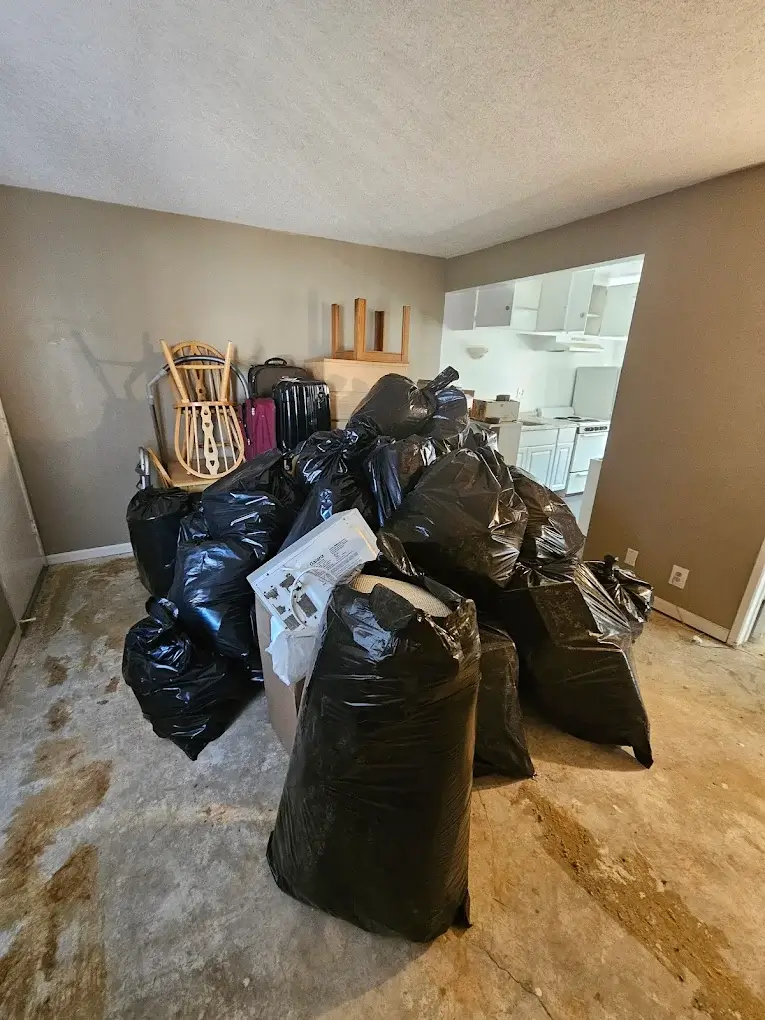
This is where professional cleanout services can make a big difference.
Experienced crews like Adam Cleanouts understand that landlord cleanouts aren’t just about hauling junk. They can help by:
- Documenting items before removal
- Separating trash from personal belongings
- Coordinating storage if required
- Providing detailed invoices
- Clearing the unit quickly once legal requirements are met
For landlords time is money.
The faster a unit is legally cleared, the faster it can be repaired and rented again.
Adam cleanouts provide free onsite estimate to give you clear idea about cost and man hours needed to complete the job. Give us a call at 888-230-JUNK.
Working with professionals doesn’t remove your legal responsibility but it can make the process smoother, more organized and less stressful.
Final Thoughts
Walking into an abandoned apartment can feel overwhelming. Between unpaid rent, potential damage, and piles of belongings; it’s tempting to just empty everything into a dumpster and move on.
But the safest move is to slow down for a moment and make sure you’re following your state’s landlord-tenant laws.
In 2026, regulations continue to evolve and what was acceptable a few years ago may not be enough today.
When in doubt:
- Check your local state laws
- Provide written notice
- Document everything
- Follow required storage timelines
- Work with professionals who understand landlord cleanouts
Clearing a unit the right way protects your property, your investment and your peace of mind.